
Dog Bite Injuries in Florida: Why the Owner Is Liable Even If Their Dog Has Never Bitten Anyone Before
Florida doesn't follow the "one bite" rule. Under Fla. Stat. § 767.04, a dog owner is liable for a bite the first time it happens, no history required. Here's how strict liability works, what defenses exist, and how comparative negligence can still affect your recovery.

Quick Summary
If a dog bites you in Florida, you don't have to prove the owner knew the dog was dangerous. You don't have to show it happened before. Under Florida's strict liability law, the first bite is enough. That's a meaningful advantage most bite victims don't realize they have, and insurance companies count on you not knowing it.
→ Complete Florida Accident Guide
Key Takeaways
- Florida rejects the "one bite" rule. Under Fla. Stat. § 767.04, an owner is liable for a bite the very first time it happens, even from a dog with no history of aggression. SOURCE: Fla. Stat. § 767.04
- Location matters more than the dog's history. You're covered if you were bitten in a public place or lawfully present on private property, including the owner's own property as an invited guest, delivery worker, or service provider.
- Florida ranks second in the nation for dog bite insurance claims. Claims in Florida surged nearly 37% between 2022 and 2024, and the average cost per claim in the state runs about 15% higher than the national average. SOURCE: Insurance Information Institute / State Farm, dog bite claim data
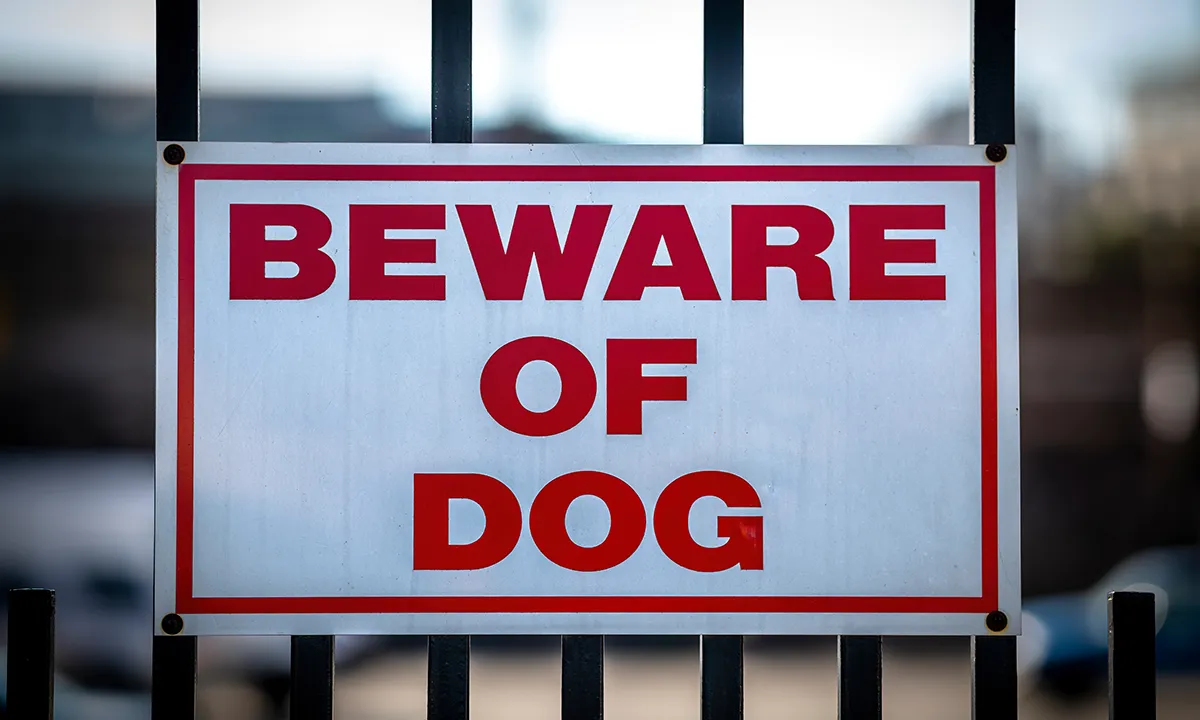
- "Bad Dog" signs aren't an automatic shield. A prominent, easily readable warning sign can limit an owner's liability, but it doesn't protect them if you were under six years old or if the owner's own negligence contributed to the bite.
- Your own conduct can reduce your recovery. Florida's comparative negligence rule, including the 51% bar under Fla. Stat. § 768.81, means provoking the dog, ignoring a warning, or trespassing can all reduce or eliminate what you can recover.
Understanding Florida's Strict Liability Law
Most states follow some version of the old "one bite rule," which says an owner isn't liable unless they already knew, or should have known, their dog was dangerous. Florida doesn't work that way. Under Fla. Stat. § 767.04, a dog owner is liable for injuries the moment a bite happens, regardless of the dog's history and regardless of whether the owner had any reason to think it might bite. A first-time bite from a family pet with no prior incidents is treated the same as a bite from a dog with a known history.
This matters because it changes what you actually have to prove. You're not trying to build a case that the owner was careless or that they ignored red flags. You're establishing that the bite happened, that it happened in a public place or somewhere you had a legal right to be, and that you were injured. That's a much more direct path to compensation than what victims face in most other states.
Where the Bite Happened
The statute covers two situations: bites that happen in public places (sidewalks, parks, beaches) and bites that happen while you were lawfully present on private property. Lawful presence includes being an invited guest, a paying customer, a delivery driver, a contractor, or anyone else with a legitimate reason to be there. If you were trespassing at the time of the bite, that changes your legal position significantly, and it's one of the few defenses that can defeat a claim outright.
The "Bad Dog" Sign Defense
Florida law gives owners a narrow way out of strict liability: a prominently displayed, easily readable sign that includes the words "Bad Dog." If that sign was posted and visible, the owner may not be liable under the strict liability statute. But this defense has real limits. It doesn't apply if you were under six years old at the time of the bite, and it doesn't apply if the owner's own negligence, not just the dog's behavior, contributed to what happened.
How Comparative Negligence Can Affect Your Claim
Florida's 2023 tort reform changed how fault gets divided in personal injury cases generally, and dog bite claims aren't exempt. Under the modified comparative negligence rule codified at Fla. Stat. § 768.81, if you're found more than 50% at fault for what happened, you can't recover anything at all. Below that threshold, your recovery is reduced by your percentage of fault.
In a dog bite case, this typically comes up around a few specific behaviors:
- Provoking the dog before the bite occurred
- Ignoring a clearly posted warning sign
- Being on the property without permission
- Approaching an unfamiliar dog in a way that could reasonably be seen as threatening
Insurance adjusters know this rule well, and they'll often look for any angle that shifts even a small percentage of fault onto you, because every percentage point reduces what they have to pay.
This 51% bar isn't unique to dog bite cases. → What Florida's HB 837 Really Means for Your Personal Injury Claim explains how this rule affects accident and injury claims across the board.
Why These Claims Are Bigger Than People Expect
Dog bite injuries range from minor punctures that heal in a few weeks to deep lacerations, nerve damage, permanent scarring, and disfigurement, especially in children. According to the CDC, children between the ages of 5 and 9 have the highest rate of dog bite-related emergency department visits of any age group. SOURCE: CDC dog bite injury data These injuries are often to the face and hands, and they can carry long-term physical and emotional consequences well beyond the initial wound.
Florida is also one of the most active states in the country for these claims. Dog bite insurance claims here surged nearly 37% between 2022 and 2024, and the average payout per claim in Florida runs meaningfully higher than the national average. SOURCE: Insurance Information Institute / State Farm, dog bite claim data That volume means insurance companies handling these claims have a well-practiced playbook for minimizing what they pay out, which is exactly why having someone in your corner who knows the statute matters.
A dog bite is one of several ways an injury can happen on someone else's property. → Slip and Fall Accidents in Florida: What Victims Need to Know and → Injured in an Elevator Accident in Florida? What You Need to Know cover two other common scenarios with their own rules around fault and liability.
What to Do After a Dog Bite in Florida
- Get medical attention right away. A dog's mouth carries bacteria that can cause serious infection even when a wound looks minor at first. Documented medical care also creates the paper trail your claim will need.
- Identify the dog and the owner if possible. Get the owner's name and contact information, and if you can safely do so, note the dog's breed and any visible tags.
- Report the bite. Florida law requires certain bites to be reported to local animal control, which creates an official record that can support your claim.
- Photograph your injuries and the location. Take pictures of the wound, any torn clothing, and the scene, including any "Bad Dog" signage or lack of it.
- Avoid giving a recorded statement to the owner's insurance company before speaking with an attorney. Adjusters are trained to ask questions that can shift fault onto you, and Florida's comparative negligence rule means even small admissions can cost you.
⚠️ Critical Warning: Do not accept a quick settlement offer directly from a homeowner's insurance adjuster before understanding the full extent of your injuries. Bite wounds, especially to nerves and tendons, can require follow-up treatment or surgery that isn't apparent in the first days after the incident.
Frequently Asked Questions
Do I have a case if the dog never bit anyone before? Yes. Florida's strict liability law under Fla. Stat. § 767.04 makes the owner liable for a first-time bite, regardless of the dog's history.
What if I was on the owner's property when it happened? You're still covered if you were lawfully present, meaning you had a legitimate reason to be there, such as being an invited guest, a delivery worker, or a service provider.
Can the owner avoid liability with a warning sign? A prominent "Bad Dog" sign can limit liability in some cases, but not if you were under six years old or if the owner's own negligence played a role in the bite.
What if I was partly at fault, like if I approached the dog? Florida's comparative negligence rule can reduce your recovery based on your percentage of fault, and if you're found more than 50% at fault, you may not be able to recover anything. This is exactly the kind of determination worth discussing with an attorney rather than accepting an insurance company's assessment.
Does homeowners insurance actually cover dog bite claims? Usually, yes, up to the policy's liability limits, which typically range from $100,000 to $300,000. If your damages exceed that limit, the owner may be personally responsible for the difference.
Final Thoughts
Florida's strict liability law gives dog bite victims a real advantage, but that advantage only matters if it's used correctly. Insurance companies handling these claims deal with them constantly, and they know exactly which defenses to raise, including comparative negligence arguments that can chip away at what you're owed. Knowing the law is one thing. Having someone who applies it correctly on your behalf is another.
Get Help Now
If you or someone you love was bitten by a dog in Miami-Dade, Broward, or Palm Beach County, I've spent 16 years holding negligent owners and their insurance companies accountable under Florida law. With offices in Miami and Jupiter, I offer free consultations and work on contingency, so you don't pay anything unless I recover for you. Call today to find out what your claim is worth.
Disclaimer
This article is for informational purposes only and does not constitute legal advice. Laws referenced are current as of the Last Reviewed date above and are subject to change. Every case is different, and you should consult a licensed Florida attorney regarding your specific situation.