What to Do If the At-Fault Driver Has No Insurance in Florida
Finding out the at-fault driver has no insurance doesn't mean your case is over. Florida accident claims often involve multiple coverage layers beyond the other driver's policy. Your PIP pays first regardless of fault, and Uninsured Motorist coverage on your own policy may become your most important resource. Fast documentation and smart decisions in the first 14 days protect your claim and your options.

Quick Summary
Finding out the at-fault driver has no insurance doesn't mean your case is over. Florida accident claims often involve multiple coverage layers beyond the other driver's policy. Your Personal Injury Protection pays first regardless of fault, and Uninsured Motorist coverage on your own policy may become your most important resource. Fast documentation and smart decisions in the first 14 days protect your claim and your options.
Complete Florida Accident Guide
Key Takeaways
- PIP coverage on your own policy pays first regardless of who caused the crash.
- The 14-day medical treatment deadline still applies, and missing it can cost you access to critical benefits under Florida Statute 627.736.
- UM/UIM coverage on your own policy is often the most important coverage after an uninsured-driver crash.
- Florida requires PIP and property damage financial responsibility, but many drivers do not carry bodily injury liability coverage for the people they hurt.
- The at-fault driver may still be personally responsible, but collecting from them is often difficult.
- Evidence still matters even when the other driver has no insurance.
- Recorded statements and early settlement pressure can still damage your claim.
- An attorney can identify every possible coverage path, including household policies and third-party liability.
What This Means for You
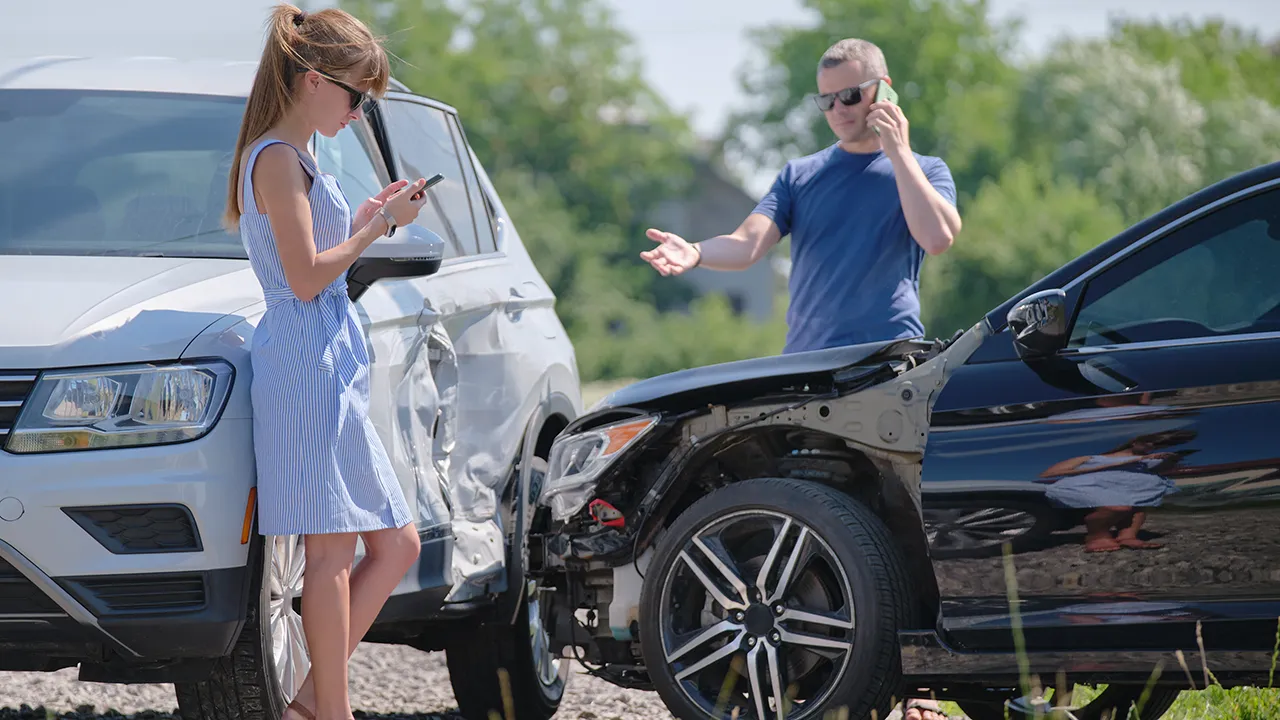
You got hit. The other driver caused the crash. Then you find out they have no insurance.
This feels unfair because it is unfair. You followed the rules. You paid your premiums. The other driver didn't. Now you're hurt and wondering if you're stuck with the bills.
You're not automatically stuck. Florida accident claims can involve coverage you didn't know existed. Your own insurance may apply. Household policies may apply. The at-fault driver may still be responsible even without insurance.
But here's what matters right now: you have deadlines. Evidence disappears. Insurance companies will try to limit what they pay. The next 14 days matter more than most people realize.
Why No Insurance Doesn't Always Mean No Recovery
Most people assume their case is over when the other driver has no insurance. That assumption can cost you.
Florida accident claims often involve multiple coverage layers. The at-fault driver's policy is just one possible source of compensation. When that source doesn't exist, you look at every other option.
- Your own PIP coverage. Florida requires drivers to carry Personal Injury Protection. PIP pays a portion of your medical bills and lost wages regardless of who caused the crash. Fla. Stat. 627.736
- Your own UM coverage. Uninsured Motorist coverage is designed for exactly this situation. If you have UM coverage, it may cover damages beyond what PIP pays, including pain and suffering and lost income, depending on your policy terms and the facts of your case. SOURCE: Fla. Stat. 627.727
- Your own UIM coverage. Underinsured Motorist coverage applies when the other driver has some insurance but not enough to cover your injuries.
- Household policies. If you live with family members who have auto insurance, their policies may provide additional coverage for you.
- The at-fault driver's personal responsibility. Even without insurance, the driver who caused the crash is still legally responsible. Whether you can collect from them depends on their assets and income.
- Third-party liability in limited cases. In some situations, another party shares responsibility, such as a vehicle owner who let an uninsured driver use their car, or a business connected to the driver's work.
- Commercial policies for rideshare and work-related crashes. If the at-fault driver was working for Uber, Lyft, or another company at the time, the company's commercial policy may apply regardless of the driver's personal coverage. Uber and Lyft Accidents in Florida: Who Actually Pays for Your Injuries?
An uninsured driver doesn't mean no coverage exists. It means you need to look further.
What Pays First After an Accident With an Uninsured Driver?
PIP pays first in Florida. That's true whether the other driver has insurance or not.
Personal Injury Protection is no-fault coverage on your own policy. It isn't about who caused the crash. It's about getting you access to medical care and partial wage replacement quickly.
Under Florida Statute 627.736, PIP pays 80% of reasonable medical expenses and 60% of lost wages, up to your policy limits. Most Florida drivers carry $10,000 in PIP because that's the state minimum. SOURCE: Fla. Stat. 627.736
But PIP comes with one critical deadline: you must seek qualifying medical treatment within 14 days of the accident. This isn't a suggestion. It's a hard cutoff under Florida law. Wait longer than 14 days and your PIP insurer can deny your medical benefits entirely.
The 14-Day Rule in Florida: Why Waiting Could Destroy Your Injury Claim
There's also an Emergency Medical Condition factor. If a qualified medical provider determines you have an EMC, you can access the full $10,000. If no EMC is documented, your PIP medical benefits are capped at $2,500. This is why seeing the right provider within 14 days matters, not just the timing but the documentation.
PIP doesn't cover pain and suffering. It doesn't cover property damage. It doesn't cover the full value of your lost wages. But it's almost always the first coverage that applies, and losing it because of a missed deadline is a cost you don't need to take on.
What Is Uninsured Motorist Coverage in Florida?
Uninsured Motorist coverage is coverage on your own policy that may apply when the at-fault driver has no bodily injury insurance or can't be identified.
Florida insurers are required to offer UM coverage to every policyholder when a policy includes bodily injury liability coverage. You can reject it in writing, and many people do to save on premiums. Then they get hit by an uninsured driver and realize what they gave up. SOURCE: Fla. Stat. 627.727
When UM coverage applies, it extends well beyond what PIP pays. PIP covers a portion of your medical bills and lost wages. UM may cover additional medical expenses, income you didn't recover through PIP, pain and suffering, permanent injury, and other damages, depending on your policy limits and the facts of your case.
You're not making a claim against the at-fault driver's insurance. You're making a claim against your own insurer under the UM portion of your policy. That doesn't make the process easy. Insurance companies dispute UM claims aggressively. But it gives you a path to real compensation.
Your policy details matter. UM policies vary in limits, stacking provisions, and exclusions. Some require physical contact between vehicles in hit-and-run situations. If you don't know whether you have UM coverage or how much, check your policy declarations page or call your insurance agent now.
What Is Underinsured Motorist Coverage?
Underinsured Motorist coverage applies when the at-fault driver has some insurance but not enough to cover the full value of your injuries.
Here's why this matters in Florida: Florida requires drivers to carry PIP and property damage financial responsibility, but many drivers do not carry bodily injury liability coverage for the people they hurt. SOURCE: Fla. Stat. 627.736 SOURCE: Fla. Stat. 324.022
When bodily injury coverage exists, the limits may still be too low to cover a serious crash. A single emergency room visit can exceed the available coverage in some cases.
When the at-fault driver's limits run out before your damages are covered, UIM coverage may fill the gap, up to your own policy limits. The key difference from UM coverage: underinsured means some coverage exists but isn't enough. Uninsured means there's no available bodily injury coverage at all.
A Coverage Example of What UM Coverage Can Change
Imagine a Florida driver rear-ended at a red light in Miami-Dade County. The impact sends her car into the intersection, and she suffers neck and back injuries that require months of physical therapy.
The at-fault driver has no bodily injury coverage. Just the minimum PIP and property damage coverage required by Florida law.
At first, she assumes her case is over. She believes she's stuck with her medical bills and has no way to recover compensation for the pain, treatment, and disruption the crash caused.
But when her policy is reviewed, significant UM coverage is found.
That does not mean the insurance company simply pays. Her own insurer may still fight the claim. It may argue she did not need all the treatment her doctor recommended. It may claim her neck pain was pre-existing. It may offer a fraction of what the case is actually worth.
That is when documentation matters. Medical records, treatment history, crash documentation, and policy language all become critical. The case does not turn on the at-fault driver's insurance. It turns on finding the coverage that does exist and proving why it applies.
The at-fault driver's lack of insurance does not end the case. It changes where you look for compensation.
If you've been hurt by an uninsured driver in Florida, don't assume your options are gone. Call Kris Torres Injury Law to find out what coverage applies to your situation. Your consultation is free, and you pay nothing unless we win your case. kristorresinjurylaw.com/contact
How Common Are Uninsured Drivers in Florida?
Florida has a serious uninsured-driver problem.
According to Insurance Research Council data published by the Insurance Information Institute, Florida’s estimated uninsured motorist rate was 20.6% in 2023, ranking 7th highest in the country. That means roughly one in five Florida drivers may be on the road without insurance coverage.
Uninsured drivers are not the only issue. Insurance Research Council data published by the Insurance Information Institute also estimates that 38.3% of Florida drivers were underinsured in 2023, ranking Florida 2nd highest in the country for underinsured motorists. In plain terms, many drivers may have some coverage, but not enough to pay for the injuries and losses caused by a serious crash.
That means a meaningful percentage of vehicles sharing Florida’s roads are driven by someone who may not have enough coverage to pay for the harm they cause.
This is why uninsured motorist coverage is not optional in any practical sense. It is not extra language buried in a policy. It can be the coverage that determines whether a seriously injured person has a meaningful path to recovery or spends years managing debt the at-fault driver could never pay.
Uninsured and underinsured drivers are a reality throughout Florida’s most traveled corridors, from Miami-Dade and Broward County north through Palm Beach and up the Treasure Coast. Wherever you drive in this state, the odds of sharing the road with a driver who lacks adequate coverage are real.
Can You Sue the Uninsured Driver Personally?
Yes, in some cases.
The at-fault driver is still legally responsible for the harm they caused, even without insurance. You can file a lawsuit against them personally and obtain a judgment.
But the practical question is whether that driver has anything to collect.
Winning a judgment isn't the same as collecting money. If the driver has no job, no savings, no property, and no attachable income, a judgment may be very difficult or impossible to collect. Many uninsured drivers are judgment-proof.
That doesn't mean a personal lawsuit is never worth pursuing. Some uninsured drivers do have assets or future income. An attorney can help you evaluate whether it makes sense in your situation before you invest time pursuing a path that may not pay out.
What If the Driver Left the Scene?
If the driver can't be found, UM coverage becomes even more important.
Florida hit-and-run claims frequently overlap with uninsured motorist claims because the at-fault driver is unidentified. If you have UM coverage, it may apply depending on your policy language and the facts of the accident.
Policy language matters here. Some UM policies require physical contact between your vehicle and the hit-and-run vehicle for coverage to apply. If another car caused you to swerve and crash without making contact, your UM insurer may dispute the claim.
This is why reporting a hit-and-run to law enforcement immediately matters. Dashcam footage, witness statements, and traffic camera records can establish what happened when the driver is never found.
What to Do After a Hit-and-Run Accident in Florida
What If You Were a Passenger?
Passengers often have more coverage options than they realize.
Your coverage paths can include PIP through the vehicle you were riding in, your own household auto insurance policy, UM or UIM coverage on your policy or the policy covering the vehicle, and a direct claim against the at-fault driver's insurance if any exists.
If you were riding in a rideshare vehicle, additional coverage may be available through Uber or Lyft depending on the driver's app status, whether the trip was active, and the specific policy terms. Uber and Lyft Accidents in Florida: Who Actually Pays for Your Injuries?
Passenger injury claims can involve multiple policies applying at the same time. An attorney can identify every available source of coverage and make sure nothing gets left behind.
Step-by-Step: What to Do After an Accident With an Uninsured Driver
Step 1: Call Police and Get an Official Report
Call 911. Get law enforcement to the scene. Get an official crash report.
The crash report documents what happened, who was involved, whether the other driver had insurance, and the other driver's identifying information. UM claims depend on it. Insurance companies rely on it.
If the other driver asks you not to call police because they have no insurance, call police anyway. You need that documentation.
Step 2: Get Medical Care Within 14 Days
See a doctor within 14 days of the accident. This isn't optional if you want to preserve your PIP benefits.
Florida Statute 627.736 gives you 14 calendar days from the accident date to seek qualifying medical treatment. SOURCE: Fla. Stat. 627.736 Wait longer and your PIP insurer can deny those benefits entirely. Even if you feel fine right after the crash, see a doctor. Adrenaline masks pain. Soft tissue injuries can take days to appear.
Step 3: Notify Your Own Insurance Company Carefully
Your policy likely requires you to report the crash to your insurer. But don't give a full recorded statement before you understand your rights.
Insurance adjusters ask questions designed to limit what they pay. You can report the accident without providing a detailed statement. If your insurer pressures you for a full recorded statement immediately, talk to an attorney first.
Step 4: Request and Review Every Available Policy
Request your own auto insurance policy. Request any household auto insurance policies. Request any umbrella policies.
Look for PIP coverage. Look for UM coverage. Look for UIM coverage. Check the limits, exclusions, and stacking provisions. Don't assume you have no coverage just because the other driver does.
Step 5: Preserve Evidence Immediately
Take photos of the vehicles, the scene, and any visible injuries. Get witness names and contact information. Get dashcam footage if available.
Evidence disappears fast. Vehicles get repaired. Witnesses forget. The evidence you preserve in the first 24 hours may be the evidence that decides your claim.
Step 6: Don't Accept the Story That Your Case Is Over
Finding out the other driver has no insurance is frustrating. It's not the end.
Uninsured driver cases require investigation. An attorney can identify coverage you didn't know existed, negotiate with your own insurer, and pursue a lawsuit if the situation calls for it. Don't give up before exploring every option.
Step 7: Talk to a Florida Personal Injury Attorney
An attorney can identify every possible source of coverage, preserve evidence before it disappears, communicate with insurers on your behalf, and protect every deadline in your case.
I've handled Florida personal injury cases for 15 years and recovered more than $100 million for clients across Palm Beach, Broward, and Miami-Dade counties. I know how to find coverage in uninsured driver cases and how to push back when insurance companies try to limit what they pay.
Common Mistakes That Can Hurt Your Claim
Assuming there's no case. Many people give up when they find out the other driver has no insurance. That assumption can cost you thousands of dollars in available coverage.
Waiting to get medical care. Delaying treatment can result in denial of PIP benefits and weaken every other aspect of your claim. Even if you feel fine, see a doctor within 14 days.
Failing to check your own UM coverage. Many people don't know whether they have UM coverage or how much. Check your policy declarations page. Call your insurance agent. Don't assume.
Giving a recorded statement too early. You can report the accident without giving a full recorded statement. Talk to an attorney before you do anything more.
Accepting a quick settlement. Insurance companies offer quick settlements to close claims before you understand the full extent of your injuries or all available coverage. Don't sign anything until you know what you're giving up.
Not documenting the scene. Photos, videos, witness statements, and crash reports matter. Preserve everything you can in the first 24 hours.
Not checking household policies. If you live with family members who have auto insurance, their policies may provide additional coverage. Check every policy in your household.
When to Call a Lawyer
You should talk to a Florida personal injury attorney if:
- You suffered serious injuries
- The at-fault driver has no insurance or unclear coverage
- The accident involved hit-and-run facts
- You were a passenger
- Fault is disputed
- You have delayed medical symptoms
- The insurance company is pressuring you for a statement or settlement
- You have questions about UM/UIM coverage
I'm Kris Torres. I've handled Florida personal injury cases for 15 years and recovered more than $100 million for clients across Palm Beach County, Broward County, and Miami-Dade County.
If you were injured in an accident with an uninsured driver in Florida, call Kris Torres Injury Law before you assume you have no options. We serve clients throughout Florida from our offices in Miami and Jupiter. Your consultation is free, and you pay nothing unless we win your case.
Frequently Asked Questions
What happens if the at-fault driver has no insurance in Florida?You still have options. Your own PIP coverage pays first for a portion of your medical bills and lost wages under Florida Statute 627.736. Your UM coverage may cover additional damages including pain and suffering, depending on your policy terms. You may be able to sue the driver personally. An attorney can identify every available source of coverage.
Will my PIP coverage still apply if the other driver was uninsured?Yes. PIP is coverage on your own policy. It applies regardless of who caused the crash and regardless of whether the other driver has insurance. You must seek medical treatment within 14 days to preserve your PIP benefits under Florida Statute 627.736.
What is uninsured motorist coverage?UM coverage is on your own policy and may apply when the at-fault driver has no bodily injury insurance or can't be identified. Depending on your policy terms and the facts of your case, it can cover medical expenses beyond what PIP pays, lost income, pain and suffering, and other damages. Florida Statute 627.727 requires insurers to offer it to every qualifying policyholder.
Is UM coverage required in Florida?You're not required to purchase it, but your insurer is required to offer it when your policy includes bodily injury liability coverage. Many people reject it in writing to save money on premiums, then face an uninsured driver accident without it.
Can I sue an uninsured driver personally?Yes. The driver is still legally responsible for the harm they caused. But collecting money from a judgment-proof driver with no assets or income is often very difficult. An attorney can evaluate whether a personal lawsuit makes sense in your specific situation.
What if I don't have UM coverage?You still have options. PIP covers a portion of your bills. Household policies may provide additional coverage. You may be able to sue the driver personally. Third-party liability may apply in some cases. An attorney can help identify every available source of compensation.
What if the uninsured driver fled the scene?Hit-and-run drivers are often treated as uninsured motorists for coverage purposes. If you have UM coverage, it may apply depending on your policy language and the facts of the accident. Some policies require physical contact between vehicles, which is why preserving evidence and reporting the hit-and-run to law enforcement immediately matters.
Can a passenger recover compensation if the at-fault driver has no insurance?Yes. Passengers may have multiple coverage paths, including PIP on the vehicle they were riding in, their own household auto insurance, UM/UIM coverage on applicable policies, and commercial coverage if the vehicle was a rideshare. An attorney can identify every available policy.
Should I talk to my insurance company right away?Report the crash as your policy requires. But don't give a detailed recorded statement before talking to an attorney. Adjusters ask questions designed to limit what they pay, even when you're using your own coverage.
How long do I have to file a lawsuit after a Florida accident?Florida's statute of limitations for personal injury claims is generally two years from the date of the accident under Florida Statute 95.11. SOURCE: Fla. Stat. 95.11 The 14-day PIP medical treatment deadline is separate and applies regardless of whether you file a lawsuit. Talk to an attorney as soon as possible to protect all deadlines.
Final Thoughts
Most people who call us after an accident with an uninsured driver say the same thing: they assumed it was over before they picked up the phone.
What they don't know yet is what changes everything. They don't know they have significant UM coverage on a policy they've carried for years. They don't know that the household policy on their spouse's car extends to them. They don't know that the company their driver worked for carries commercial coverage that has nothing to do with the driver's personal insurance status.
The difference between a claim that recovers full value and one that goes nowhere isn't usually the crash itself. It's whether someone did the coverage investigation before the deadlines closed and the evidence disappeared.
That investigation starts with a clock that began running the moment your accident happened. It starts with documentation that won't exist tomorrow. It starts with a recorded statement you haven't given yet.
If you've been injured in an accident with an uninsured or underinsured driver anywhere in Florida, in Miami-Dade, Broward, Palm Beach County, or anywhere up the coast, call Kris Torres Injury Law before you accept the story that there's nothing to be done.
There usually is. You just need someone who knows where to look.
Your consultation is free. You pay nothing unless we win your case. kristorresinjurylaw.com/contact
Disclaimer
This article is for informational purposes only and does not constitute legal advice. Every case is different, and outcomes depend on specific facts and circumstances. Reading this article does not create an attorney-client relationship. If you have been injured in an accident, you should consult with a qualified personal injury attorney to understand your rights.
Prospective clients may not receive the same or similar results.
Hurt in Florida? Talk to Kris directly.
Tell me what happened. I review every request personally. The consultation is free, and you pay nothing unless we win.